What “Happy Memories Don’t Die” Truly Signifies — The Tale Beyond HMDD
Every clothing brand claims to have a story, but few build their entire identity around a single phrase the way HMDD has. The name itself is an acronym — Happy Memories Don’t Die — and it isn’t a marketing afterthought. It’s the reason the brand exists. Understanding what that phrase means, and why it resonates with the people who wear HMDD clothing, requires looking past the hoodies and sweatpants and into the idea that clothing can carry emotional weight the same way a photograph or a song does.
Table Of Content
- What “Happy Memories Don’t Die” Truly Signifies — The Tale Beyond HMDD
- The Origin of the Name
- Breaking Down What “Happy Memories Don’t Die” to Everyday Shoppers
- This Lineup: The Point Where the Vision Meets the Fabric
- The Way HMDD Compares to Everyday Street-Style Brand Language
- Why This Narrative Still Resonates in 2026
- Concluding Reflections on the HMDD Story
Underneath everything, what the phrase captures is staying power even amid loss. Recollections dim, people transform, situations shift, but the label’s guiding idea maintains that the good moments — the experiences that shaped your identity — don’t disappear just because time moves forward. That’s a weighty idea to attach to a streetwear brand, even so this is precisely the reason so many customers who look up “hmdd review” or “hmddla” end up feeling as though they found something more personal than an ordinary clothing purchase.
The Origin of the Name
HMDD spells out Happy Memories Don’t Die — the phrasing is purposeful in its straightforwardness. Four words, four letters, no punctuation needed hmdd shorts sweatpants to explain it. Over the past several years, blunt, feeling-driven naming has grown more frequent among small-run streetwear brands, yet HMDD commits more deeply to the emotion than the majority, using it as a recurring theme across product drops rather than a single-use tagline.
The shorthand “hmddla” is rooted in the brand’s strong association with the Los Angeles streetwear scene, and it’s the quick label fans and shoppers use when looking for the brand online.
Small-batch drops, branding with genuine emotional pull, and a aesthetic approach that leans toward comfort and subtlety over flashy branding — this is how HMDD fits into the lineage of influential streetwear labels that LA has produced in disproportionate numbers over the past twenty years.
The name alone doesn’t make the narrative engaging; what does is the steadiness the brand shows in putting it to use. The same idea — keep what’s good and let it steady you — resurfaces drop names, and even packaging. For shoppers who increasingly expect brands to represent more than just the product, that reliability makes a difference.
Breaking Down What “Happy Memories Don’t Die” to Everyday Shoppers
The ambiguity is on purpose, but question ten different HMDD buyers what the phrase signifies for them personally and you’ll probably hear ten distinct answers. For some, it’s about someone they no longer have. For others, it’s simpler — an encouragement to savor good moments before they fade into recollection. This kind of open-ended emotional branding is one reason the phrase has extended its reach well beyond the clothing itself, showing up in captions, tattoos, and conversations that have nothing to do with a specific product.
The clothing works as a vessel for that message rather than the point itself. A hoodie with “Happy Memories Don’t Die” stitched or printed across it isn’t just a garment; to a lot of wearers, it serves as a tangible memory-trigger. This sentimental pull is part of why HMDD clothing often draw back returning shoppers instead of just one-off purchasers — people come back not just for fresh color options but because that sentiment remains meaningful long after the first purchase.
Queries for an “hmdd review” regularly bring up feedback that moves past fit and fabric — this explains why these queries often surface more than expected. People leaving reviews tend to mention the feeling behind the label ahead of mentioning stitching quality or sizing, a rare trait within streetwear and is a testament to how successfully the brand story has been embedded within the product experience.
This Lineup: The Point Where the Vision Meets the Fabric
HMDD’s catalog centers on everyday essentials rather than complicated silhouettes, and that’s intentional — the idea is that the message should live in pieces people actually wear on repeat, not just special-occasion items. Sweatpants and shorts make up a significant portion of the lineup, and both categories have become the entry point for a lot of new customers discovering the brand for the first time in 2026.
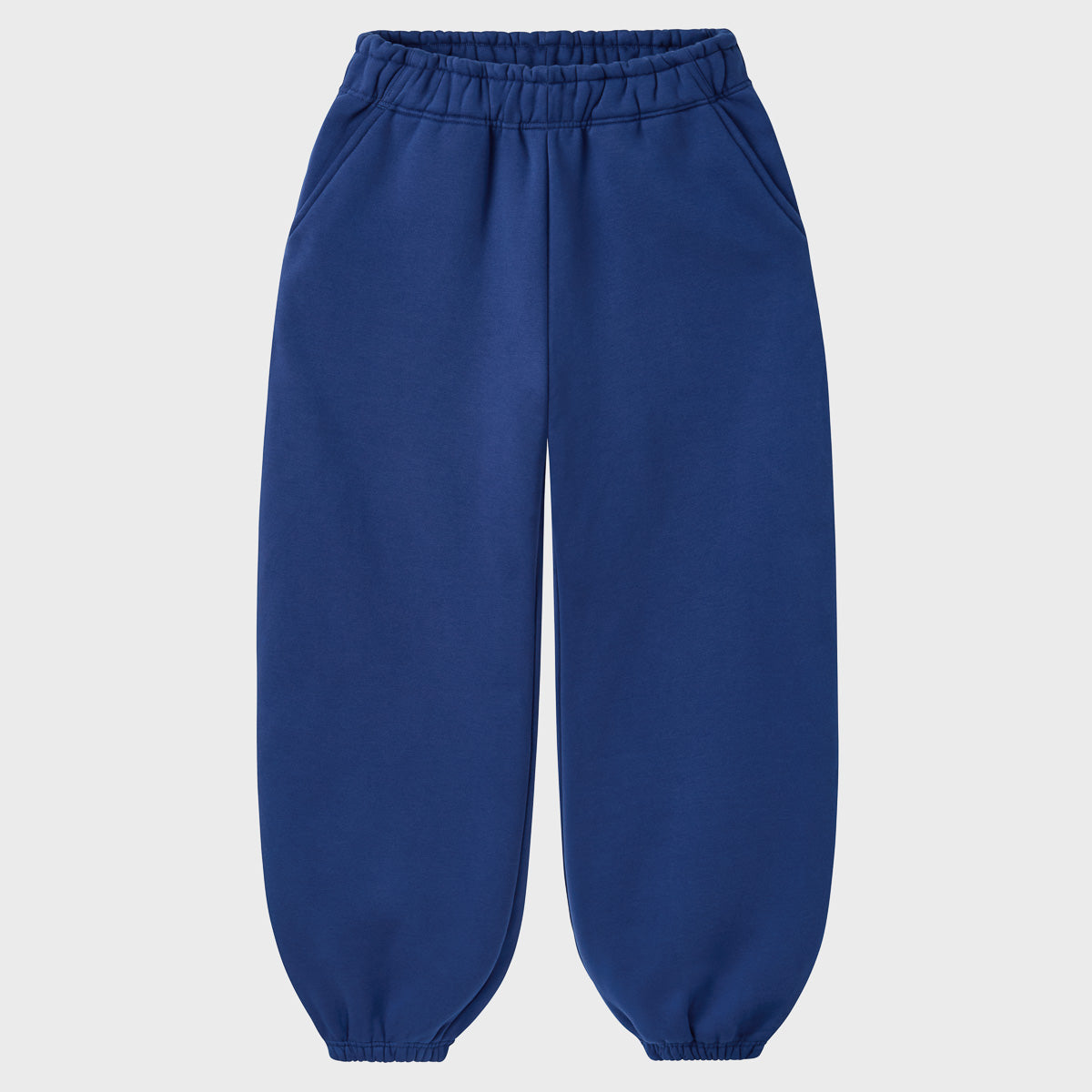
HMDD sweatpants are designed around a relaxed, everyday fit rather than an athletic or slim cut, which aligns with the broader streetwear shift toward comfort-first loungewear that’s been building since the early 2020s and shows no signs of reversing. HMDD shorts follow the same logic — built for warm-weather versatility rather than performance activewear, positioned closer to lifestyle wear than gym gear.
When customers wonder what the standout HMDD garments are, it usually boils down to the function you want the piece to serve. If your goal is a garment that puts the label’s statement on full display, it’s generally the graphic hoodies and tees that carry the loudest branding. Should you prefer a quieter piece that still reflects the underlying philosophy, sweatpants and shorts with subtler detailing are typically the pieces long-time customers recommend to newcomers.
The Way HMDD Compares to Everyday Street-Style Brand Language
Comparing HMDD’s approach alongside the more common brand playbooks seen across the streetwear space highlights what sets it apart. The table below maps out some notable contrasts in outlook and product emphasis.
| Aspect | Common Streetwear Brand | HMDD |
|---|---|---|
| Main Narrative | Logo-driven identity, projecting status | Emotional narrative shaped by memory and loss |
| What the Products Prioritize | Buzz-driven releases, limited-run hoodies and tees | Everyday essentials like sweatpants and shorts alongside graphic pieces |
| Customer Connection | Frequently tied to trends, brief interest | Long-term emotional attachment to the phrase and its meaning |
| Regional Identity | Inconsistent, often unclear | Rooted in LA streetwear culture (hmddla) |
| Reason for Return Purchases | New designs, hype cycles | Ongoing emotional pull of the “Happy Memories Don’t Die” message |
This side-by-side isn’t intended to argue one approach is objectively better — buzz-based marketing has built quite a few successful labels. Still, it clarifies why HMDD’s growth has looked different. Instead of leaning only on scarcity or logo visibility, the brand has built something closer to a shared following around a collective emotion, which tends to produce steadier, more loyal demand rather than brief spikes tied to a single drop.
Why This Narrative Still Resonates in 2026
Feeling-driven branding is nothing new, but the hunger for it has expanded considerably heading into 2026, as more shoppers — particularly younger consumers — say they prefer brands with a clear point of view over ones that just jump on trends. HMDD is helped by having established its base on that kind of genuineness long before it turned into a market requirement rather than a optional extra.
There’s also a practical angle: comfort-focused categories like sweatpants and shorts have remained dominant in casual wardrobes for multiple consecutive years, and this trend shows no signs of shifting. By grounding its best-selling everyday pieces in categories people already reach for daily, HMDD guarantees its message is seen again and again rather than being tucked away for special occasions.
The phrase itself has also held up over time because it isn’t tied to a specific fad, viral moment, or passing craze — loss, sentimentality, and the desire to hold onto good memories are constants no matter the year. That enduring quality is perhaps the brand’s biggest asset going into 2026 and beyond, providing lasting relevance that style-only streetwear labels often find hard to sustain once trends shift.
Concluding Reflections on the HMDD Story
HMDD’s backstory isn’t worth telling because of complicated marketing mechanics; rather, it’s how uncomplicated the concept is paired with the consistency it has shown in holding the course. Happy Memories Don’t Die isn’t just a name on a tag; it’s a guiding ethos woven into everyday pieces like sweatpants and shorts, intended to be worn regularly enough that the message becomes part of daily life instead of a fleeting slogan.
If you’re sifting through reviews, weighing your options, or simply wondering why a phrase like this has resonated this way, the reason traces back to something pretty common: folks crave assurance that meaningful moments once held value and continue to. HMDD shaped its identity around celebrating that idea, and in doing so, converted an ordinary acronym into something a lot of people now wear with genuine meaning.